
Tackling Child Obesity: A Global Concern with Lasting Consequences
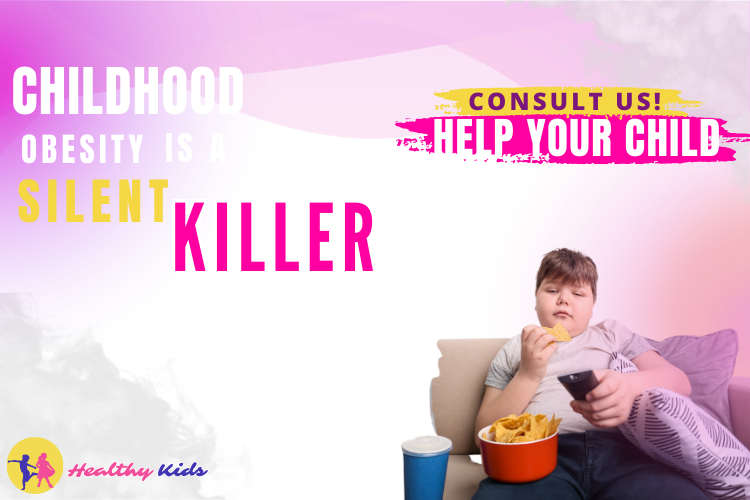
Beware! The biggest threat to your child is your family! Chubby kids might be cute... they are not healthy!
Introduction:
Childhood obesity has emerged as a pressing global issue, and India is no exception. The alarming rise in the number of overweight and obese children is a cause for concern, with far-reaching consequences for their health and well-being. In this blog post, we will shed light on the prevalence of child obesity in India and worldwide, discuss the associated medical issues, and emphasize the lost opportunities that this epidemic presents.
The Global Perspective:
Childhood obesity has reached epidemic proportions worldwide. According to the World Health Organization (WHO), over 340 million children and adolescents aged 5-19 were overweight or obese in 2016. This number has tripled since 1975, indicating a significant and concerning trend.
The Indian Scenario:
India, too, has witnessed a sharp increase in child obesity. Recent studies reveal that around 14.4 million children in the country are affected by obesity, placing India among the top five nations with the highest number of obese children. This prevalence is attributed to a sedentary lifestyle, unhealthy dietary habits, and a lack of awareness about the importance of maintaining a healthy weight.
Medical Issues Associated with Child Obesity:
Childhood obesity is not just a cosmetic concern but a serious health risk. It significantly raises the likelihood of developing various medical conditions, including:
Type 2 Diabetes: Obese children are more susceptible to developing insulin resistance and type 2 diabetes at an early age.
Cardiovascular Diseases: Excess weight puts a strain on the cardiovascular system, increasing the risk of hypertension, heart disease, and stroke.
Respiratory Problems: Obesity can lead to breathing difficulties, sleep apnea, and asthma, limiting a child's physical activity and overall well-being.
Bone and Joint Issues: The excess weight places stress on the bones and joints, leading to musculoskeletal problems such as arthritis and fractures.
Mental Health Concerns: Obese children are more likely to experience low self-esteem, depression, and social isolation due to body image issues and societal stigma.
Lost Opportunities:
Childhood obesity not only impacts physical health but also hampers a child's overall development and potential. Obese children often face challenges in academic performance, as they may struggle with concentration, memory, and cognitive abilities. Additionally, their self-confidence and social interactions may suffer, limiting their participation in sports and extracurricular activities.
Conclusion:
Addressing child obesity requires collective efforts from parents, schools, healthcare professionals, and policymakers. By raising awareness about the prevalence of child obesity, the associated medical issues, and the lost opportunities, we can work together to prevent and combat this growing epidemic. Empowering children and their families with knowledge, promoting healthy eating habits, and encouraging regular physical activity are crucial steps toward building a healthier future generation.
Remember, every small step counts in the fight against child obesity. Let's prioritize the well-being of our children and ensure they have the opportunity to lead healthy, fulfilling lives.